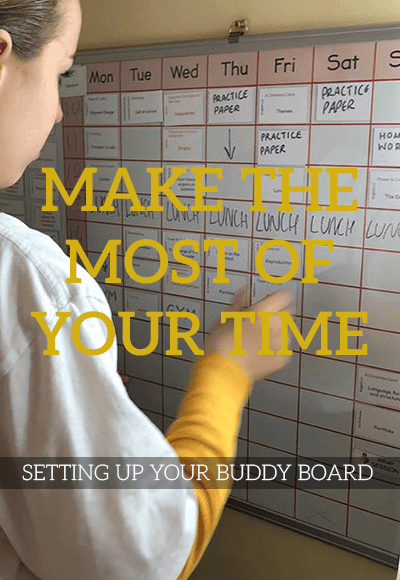

5 Things Your Teen Should Be Doing on the Cusp of Exam Day
With the bank holiday behind us and exams looming, it’s easy to panic. But the final week isn’t about learning everything new—it’s about “high-yield” revision
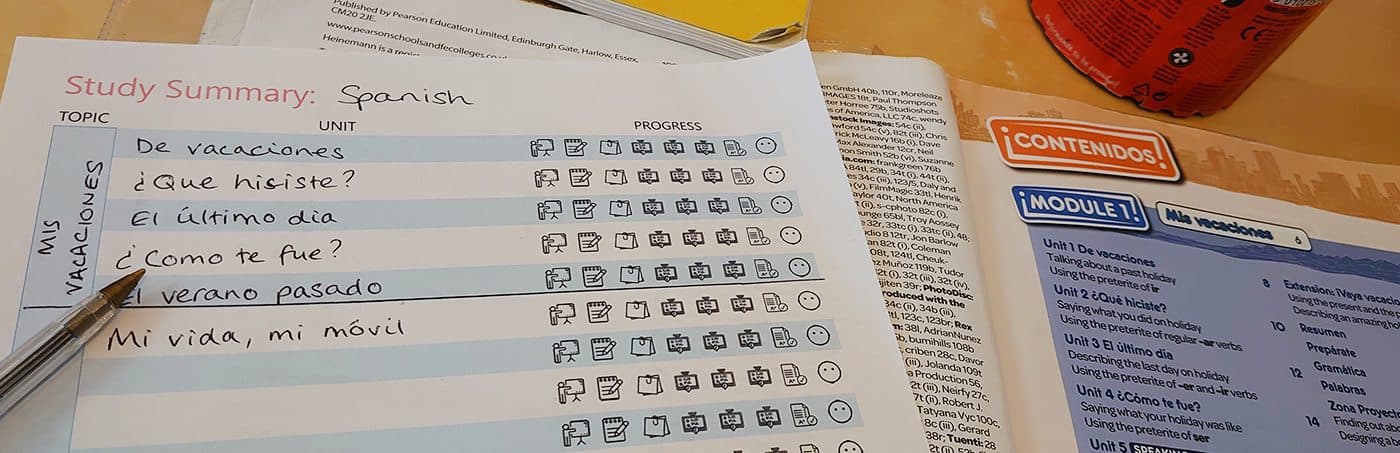
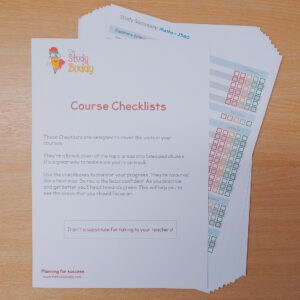
Following the popularity of our Personalised Study Summaries for GCSEs, we’re providing the template for all year groups. This downloadable A4 template can be used in all year groups and any subject with an end-of-year test. Simply print and create your own study units. We recommend using textbooks, knowledge organisers or browsing through your schoolwork. The template contains the key steps to be ready for those end-of-year tests.
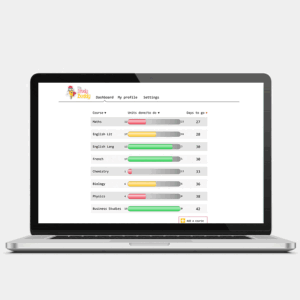
A unit is a term that we use for a piece of study. The subject is the big heading (like History, for example). Then you have topics. These are the themes that you work on, perhaps one a term (for example; The Tudors). Finally, we can the smallest element, units. You could also think of them as sub-topics. In our History example, a unit might be Henry VIII These summaries can be used to check your readiness for the tests by making you look back on the whole of the course. Keep thing manageable by breaking subjects down into topics and then bite-sized units. It’s a great way to make sure that you’re on track. Use the icons to monitor your progress through our suggested revision steps.
The granular approach helps to keep students progressing and gives them a sense of success. It’s easier to feel you’ve accomplished something by testing yourself on “Rivers & Lakes” even if you haven’t yet completed all of Geography. Everyone loves a to-do list – and it’s satisfying to tick off what you’ve done. Clear and precise actions help to keep the student in control and stop pressure from spiralling.
At the risk of over-explaining; here’s how we use the template.
If you have any questions or suggestions, please drop us a line. We’re always happy to help!
Of course, if you want to get up and running quickly, we can create the Study Summaries for you, specifically for the courses being studied.
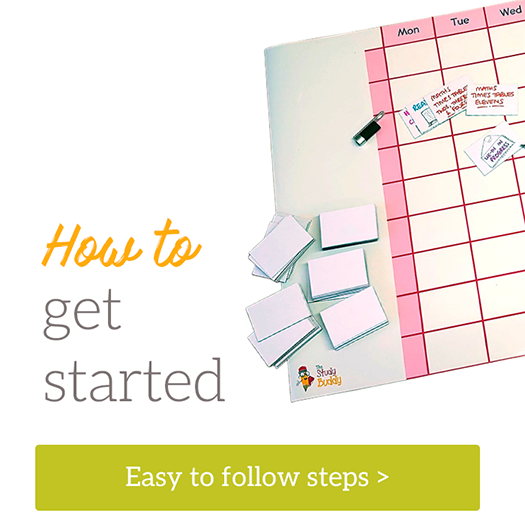
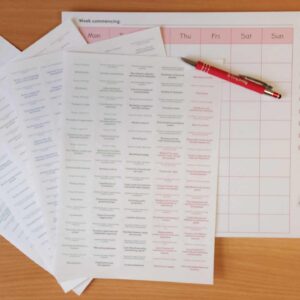
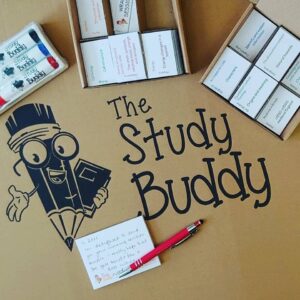
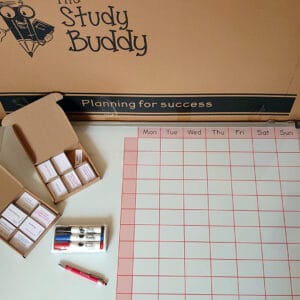

Our GCSE Special bundle is everything you need to get going quickly and easily.
With the bank holiday behind us and exams looming, it’s easy to panic. But the final week isn’t about learning everything new—it’s about “high-yield” revision

Think “blocking” your revision is the best way to learn? Think again. Discover why “Interleaving”—the art of mixing up your study topics—is the scientifically proven

Stop settling for simple spider diagrams. Discover how Concept Mapping and “Linking Words” help students move from memorising facts to understanding complex relationships—the key to
An offer code will be sent to you. By subscribing to our newsletter you agree to our Terms and Conditions and Privacy Policy. You can unsubscribe at any time.
Thank you for signing up! Check your inbox soon for special offers from us.
In the meantime, you can use the code Welcome5