
5 Things Your Teen Should Be Doing on the Cusp of Exam Day
With the bank holiday behind us and exams looming, it’s easy to panic. But the final week isn’t about learning everything new—it’s about “high-yield” revision

The Easter eggs are gone, the school gates are open, and the “Summer Term” pressure is suddenly very, very real.
The instinct for most students (and parents) is to jump straight into the deep end. We set massive goals: “I’m going to revise for four hours tonight.” But then reality hits. The desk is messy, the phone is buzzing, and the motivation just isn’t there. By 7:00 PM, the guilt sets in, and the cycle of procrastination begins again.
If you want to have a successful final term, stop focusing on the work for a moment. Focus on the ritual.
Starting a task is the most “expensive” part for your brain. If you have to find a pen, clear your desk, and decide what topic to study, you’ve exhausted your willpower before you’ve even read a single page.
A ritual lowers the “starting cost.” It turns “Should I study?” into “This is just what I do at 5:00 PM”.
To help you hit the reset button after the break, we’ve developed the Study Buddy Power 6. It’s a system built on three essential pillars: Health, Motivation, and Study.
You can’t drive a car on an empty tank, and you can’t study on a dehydrated brain.
Hydrate: Even mild dehydration causes fatigue and a lack of focus. Drinking 2 pints of water during your study window keeps the brain “pliant” and alert.
Move: Your brain uses 20% of your body’s energy. A 15-minute walk or a quick stretch resets your cortisol levels and helps clear the “holiday fog.”
Motivation isn’t a feeling; it’s a setup. You don’t “find” motivation; you create a space where it can’t escape.
The Digital Detox: This is the big one. If your phone is in the room, even if it’s face down, your brain is using energy to ignore it. Put it in another room. Physical distance equals mental clarity.
The Quick Win: Procrastination thrives on mess. Spend 5 minutes clearing your desk and prepping your books for the next day. A clear space leads to a clear mind.
Once the fuel is in and the environment is set, the work becomes significantly easier.
Deep Work: Don’t aim for hours; aim for minutes. One 40-minute block of “Deep Work” (no distractions, total focus) is worth more than three hours of “pseudo-study” with a TV on in the background.
The Review: At the end of your session, write down one thing you actually learned. This signals to your brain that the session was a success, making it easier to start again tomorrow.
Consistency is the “secret sauce” of revision. It is much better to do 25 minutes of work every day than to do five hours once a week.
To help you track these habits, we’ve created a printable Power 6 Habit Tracker. Stick it on your wall, keep it on your desk, and focus on one thing: don’t miss two days in a row.
Success this term isn’t about being a genius. It’s about being consistent. Let’s get to work.
It’s tempting to treat a habit tracker like a performance review, but for a teenager returning after a break, that approach usually backfires. Instead, think of this tracker as a low-stakes roadmap to help them find their rhythm again.
Here is how to support them in using the Power 6 this week:
1. Focus on “The Streak,” Not Perfection. The goal isn’t to get 6 ticks every single day. The goal is to avoid “zero days.” If they only manage to drink more water and put their phone away, that is still a win. Encourage them with the “Never Miss Twice” rule—if they miss a day, just help them get back on track the next morning.
2. Use it as a “Visual Contract”. Instead of asking, “Have you started your revision yet?” (which usually triggers a defensive response), you can simply point to the tracker. It shifts the conversation from you “nagging” to them “tracking.”
3. Celebrate the “Motivation” Pillar. Parents often focus purely on the “Study” column. However, acknowledging the “Motivation” pillar is often more effective. When you see them leave their phone charging in the kitchen or clear their desk, give them a quick shout-out. These environmental wins make the actual studying feel much less like a chore.
4. The 25-Minute Rule. If your teen is struggling to start, remind them that the tracker only asks for one 25-minute block of Deep Work. Most students can face 25 minutes. Usually, once they start, they’ll find the momentum to keep going—but getting that first tick is the most important part.
5. Lead by Example. If you’re working from home or have your own habits to tackle, why not print a copy for yourself? Seeing you track your water intake or “phone-away time” makes it a household effort rather than a “school rule.”
Make the most of the time for revision. Prioritise, monitor and plan straight out of the box.

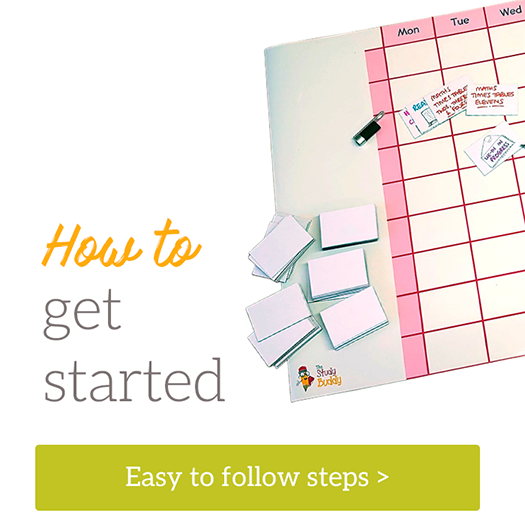
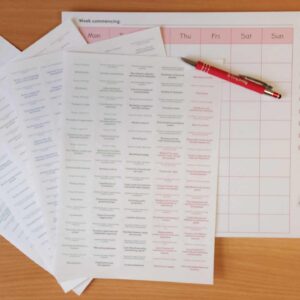
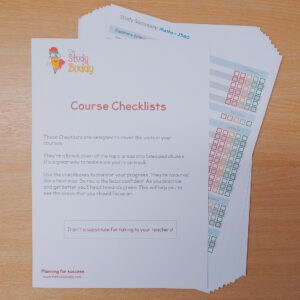
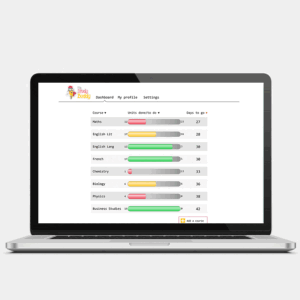
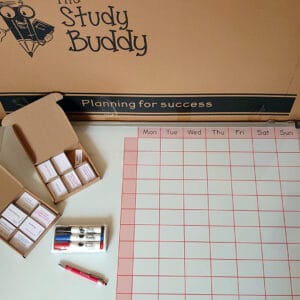
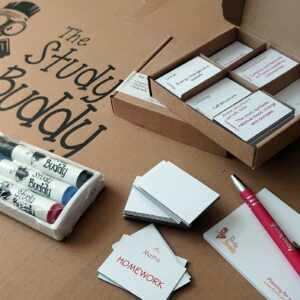
Our GCSE Special bundle is everything you need to get going quickly and easily.
With the bank holiday behind us and exams looming, it’s easy to panic. But the final week isn’t about learning everything new—it’s about “high-yield” revision
Think “blocking” your revision is the best way to learn? Think again. Discover why “Interleaving”—the art of mixing up your study topics—is the scientifically proven
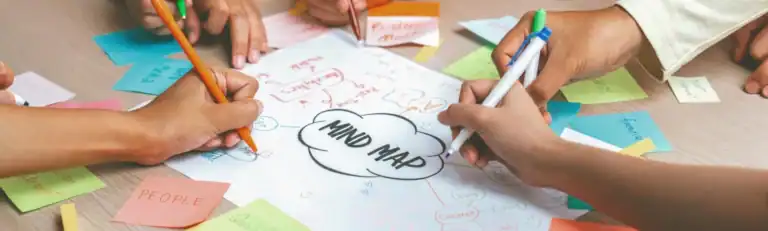
Stop settling for simple spider diagrams. Discover how Concept Mapping and “Linking Words” help students move from memorising facts to understanding complex relationships—the key to
Thank you for signing up! Check your inbox soon for special offers from us.
In the meantime, you can use the code Welcome5
Your basket is saved. Checkout now and we’ll upgrade your dispatch at no extra cost.
Secure guest checkout · Your basket is saved.
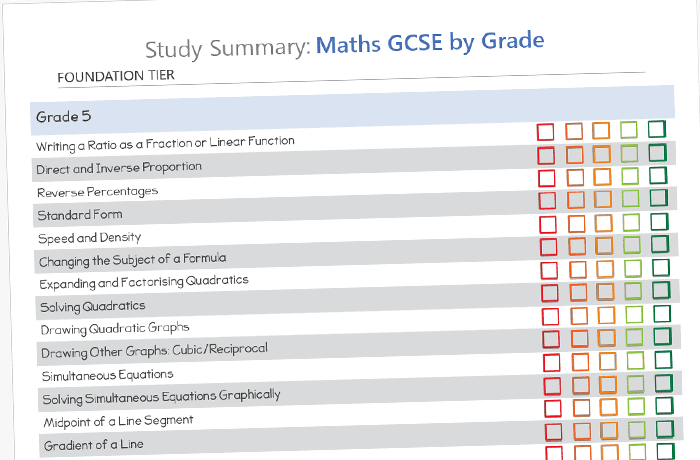
We’ll add your free Maths GCSE By Grade Checklists and keep your revision resources ready for you.
No account is created and you’re not signing up to the newsletter.
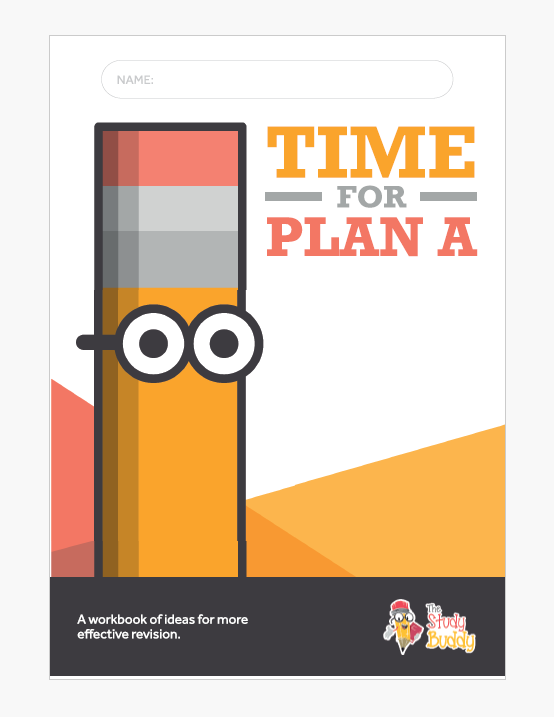
Add your email and we’ll send the workbook for free – and keep this basket safely saved for you.
No account is created and you’re not signing up to the newsletter.
An offer code will be sent to you. By subscribing to our newsletter you agree to our Terms and Conditions and Privacy Policy. You can unsubscribe at any time.