

Time Thieves: The Hidden Drains On Your Teen’s Day
Losing track of time, or focus, is a common issue faced by teens when it comes to revision. In this article we look at six

We often think of “performance” as something only elite athletes worry about. But performance is everything. It’s having the mental clarity to crush a presentation, the patience to deal with toddler tantrums, or the energy to hit the gym after a long workday.
If your body is a high-performance vehicle, food is the fuel. But sometimes, even premium fuel needs an octane booster. That’s where understanding vitamins, minerals, and supplementation comes in.
Before diving into pills, establish the baseline.
Let’s be crystal clear: You cannot out-supplement a bad diet.
If your daily intake consists mostly of McDonald’s and fizzy drinks, a multivitamin is merely peeing money! The foundation of high performance is a diverse, nutrient-dense diet rich in vegetables, quality proteins, healthy fats, and complex carbohydrates.
However, modern life makes perfection difficult. Late nights, a lot of screen time, lack of sunlight exposure, chronic stress, and more can all create nutrient gaps that are hard to fill with food alone. That’s when supplements shift from “optional” to “essential optimisation tools.”
Eating well isn’t just about avoiding illness; it’s about fueling the life you want to live.
Pay attention to your teen. If they are sleeping badly, dragging through the afternoon, or battling brain fog, don’t just accept it as “normal teen life”. Take a look the fuel they’re putting in the tank. Sometimes, a small tweak to nutrition can make a massive difference in performance.
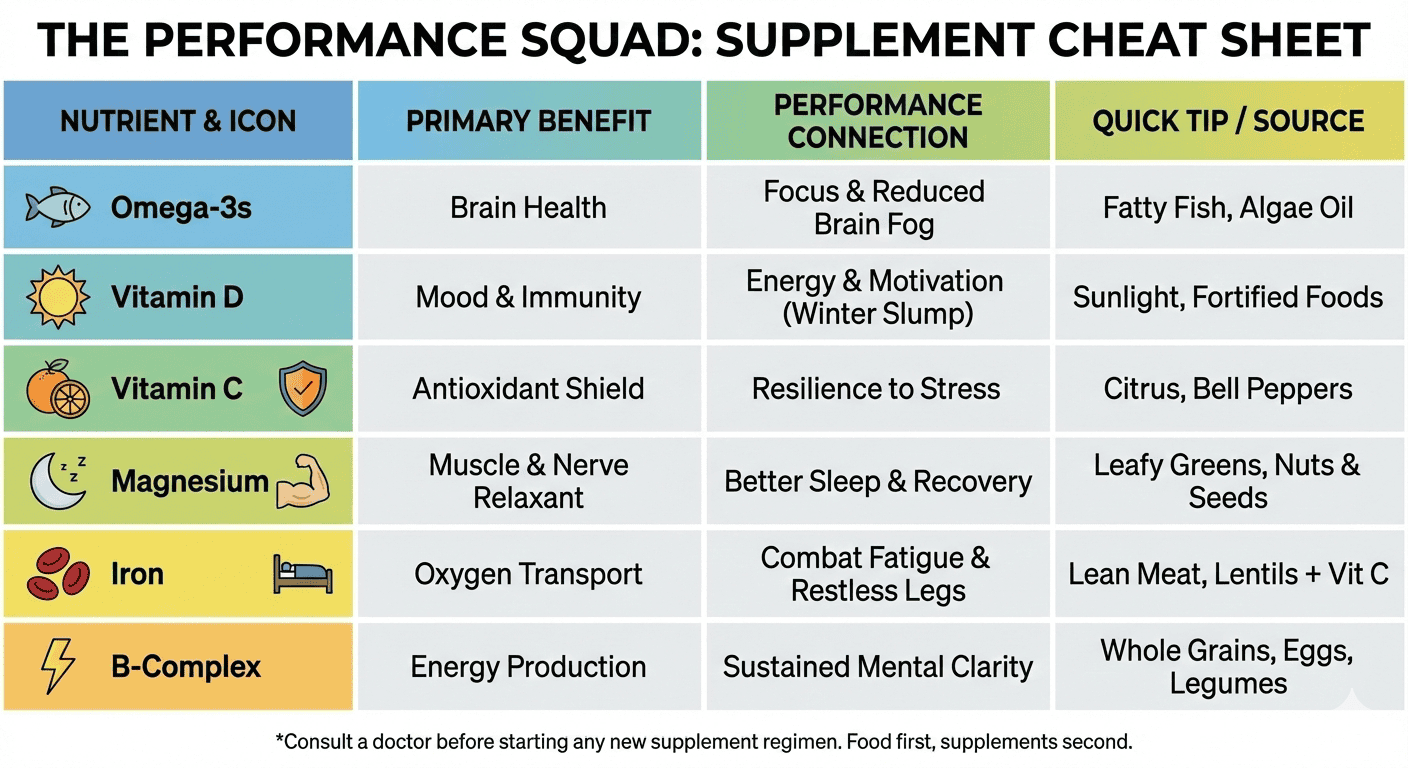
Fuel For Performance: Key Nutrients to Know
Here we explore the benefits of various supplements, focusing on how they aid daily performance.
Let’s look at a few key players that frequently bridge the gap between feeling “fine” and feeling “fired up.”
You know fatty fish is good for you, but do you eat enough high-quality salmon or sardines three times a week? Probably not. I’m a vegetarian, so this one is a must!
The Performance Benefit: Omega-3s (specifically EPA and DHA) are essentially high-grade lubricant for your brain. They are crucial for cognitive function, focus, and managing inflammation. If you feel brain fog or slow recovery after exercise, Omega-3s are vital.
Unless you work outside, shirtless year-round in the tropics, you are likely lacking, somewhat, in Vitamin D. It’s actually more of a hormone than a vitamin, but now’s not the time to split hairs!
The Performance Benefit: Vitamin D is crucial for immune function (you can’t perform if you’re sick), bone health, and, crucially, mood regulation and energy levels. Low D is often linked to that “winter slump” feeling.
Yes, it helps fight colds. But for high performers, it does more.
The Performance Benefit: Vitamin C is a powerful antioxidant. Physical stress (exercise) and mental stress (life) both create oxidative damage in the body. Vitamin C helps repair tissues and mitigate the effects of stress on your system, allowing you to bounce back faster.
It is incredibly common for people to be deficient, and it’s vital for performance.
The Performance Benefit: Think of magnesium as the body’s “relaxant.” It is involved in hundreds of biochemical reactions, including muscle function (preventing cramping) and energy production. Crucially, it helps calm the nervous system before bed, aiding deep sleep.
Iron is the backbone of haemoglobin, the protein in red blood cells that carries oxygen from your lungs to the rest of your body—including your brain.
When your iron is low (common in women, vegetarians, and endurance athletes), your body is essentially suffocating at a cellular level. The result isn’t just feeling tired; it can manifest as Restless Leg Syndrome or a racing heart that keeps you awake at night.
The Vicious Cycle: Low iron leads to poor oxygen transport, which causes fatigue. It also disrupts sleep quality. Poor sleep leads to worse performance and higher reliance on caffeine/sugar, further depleting nutrients. Sound familiar?
Correcting that single deficiency didn’t just give you “energy”; it provides restful sleep, which is the ultimate performance enhancer. And something a lot of teens struggle with.
Should you run out and buy all the supplements listed above? No.
Blindly taking supplements can be ineffective or, in some cases (like too much iron or Vitamin A), dangerous.
Clean up the diet: Eat real food for two weeks.
Get blood work: Ask your doctor for a full panel, including Vitamin D, Ferritin (iron storage), B12, and magnesium. See where your actual gaps are.
Prioritise Quality: Supplement quality varies wildly. Look for third-party tested brands.

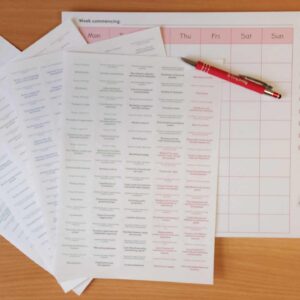
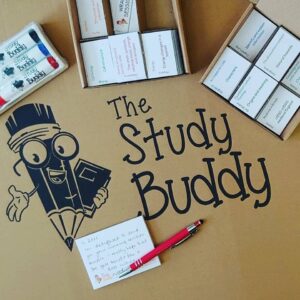
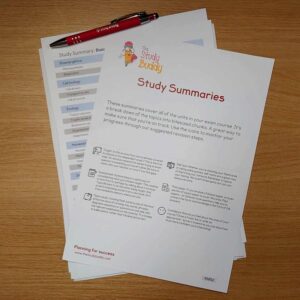
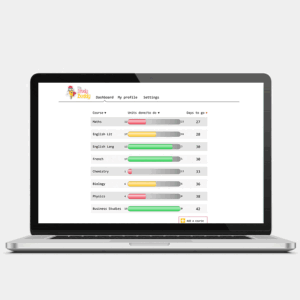
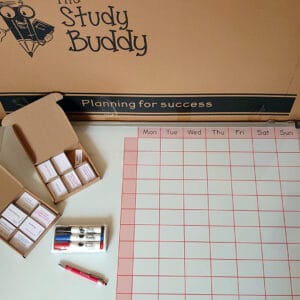

Our GCSE Special bundle is everything you need to get going quickly and easily.
Losing track of time, or focus, is a common issue faced by teens when it comes to revision. In this article we look at six

If you’re using past papers to try and guess what’s coming up in June, you’re practicing “Black Arts,” not revision. Trying to spot patterns in

Happy Pi Day! Beyond the geometry and the actual pie, March 14th is a masterclass in human memory. We’re exploring the science of encoding—the clever
An offer code will be sent to you. By subscribing to our newsletter you agree to our Terms and Conditions and Privacy Policy. You can unsubscribe at any time.
Thank you for signing up! Check your inbox soon for special offers from us.
In the meantime, you can use the code Welcome5