
Last Year’s Paper Won’t Predict This Year’s Result
If you’re using past papers to try and guess what’s coming up in June, you’re practicing “Black Arts,” not revision. Trying to spot patterns in

For many teenagers, the Christmas break is not just a chance to relax—it’s a vital, uninterrupted window of time before significant exams begin in the spring and summer. If your child is heading into a crucial exam season in 2026, this article is for you.
We are moving past light maintenance (for that, see our Christmas Revision Bingo guide!) and focusing on building a strong, sustainable foundation. This requires structure, commitment, and a winning joint approach between parent and teen.
Before a single page is opened, your teenager needs to know exactly what they are working with and, crucially, what they are missing.
Gather the Resources: Ensure all textbooks, workbooks, passwords and past papers are found and gathered. Wasting an hour searching for a resource in the moment is an hour lost. Erradicate the hurdles up front!
Identify the Gaps: The end-of-term assessments are a goldmine of information. Sit down with your teen and create a honest “Confidence List“. Our Course Checklists can help you do this speedily. It’s not just about finding where confidence is lowest it’s about an honest assessment of what the priorities will be between now and the exams.
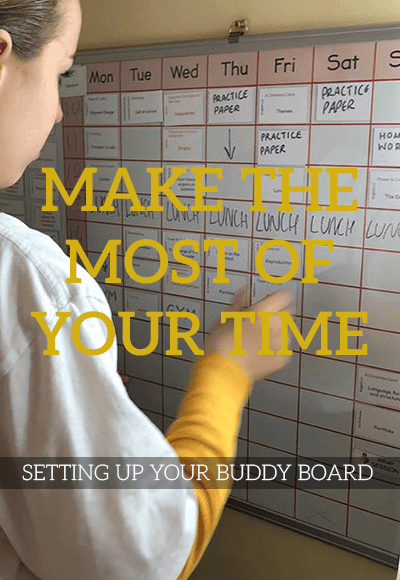
A study timetable that blocks out every hour is doomed to fail. A good timetable accounts for life and lie-ins!
The Rule of Sustainability: A realistic timetable is one that your teen can stick to for the entire break. It must include:
Obligations: Managing time is about knowing what’s flexible and what isn’t. School, for example, is an non-optional block of time.
Meals: Non-negotiable meal times and family commitments.
The Downtime: Make time for the things your teen wants to do, whether that’s going out with mates or an hour’s video gaming. Factoring in social activities is key to a plan that will stick. Only then, fit in study sessions.
How much is enough?: There is no one answer to this. As a guide, try a little more this week that was managed last week. Build to a crescendo to help the feeling of success.
Since time is precious, make every study session count. Use the identified “Knowledge Gaps” to set SMART Goals for the months ahead:
| Goal Type | What it means | For example… |
| Specific | Don’t use broad subject headlines, be clear about the task or topic. | Not “Maths” but “Simultaneous Equations.” |
| Measurable | Define a clear metric for success, not a vague idea of ‘revise’ | To achieve 80% in the end of chapter test.” |
| Achievable | Make sure that you have the tools, time, and knowledge to do this | Don’t focus on a topic you haven’t been taught yet. |
| Relevant | Be sure that the activity actually contributes to the exams. | Spending time watching Studygram account (as revision) won’t help in the long run. |
| Timely | Give yourself a clear ‘end date’ or a specific schedule for the goal | An actual date or time in mind, such as “by the end of the month” |
The beauty of a SMART goal is the clarity—when it comes to motivation this can be a real win for everyone involved.
How and where your teen studies can have an important impact on how successful the studying is. It’s also about establishing professional habits for the new year.
The Designated Study Zone: Help them establish a quiet, distraction-free space. All phones and non-essential devices should be placed out of sight and reach during study blocks. Preferably not in their bedroom if possible. It gives a signal that this is proper work.
Practice Focus Techniques: Encourage the use of focus time management methods. As a starting point take a look at the Pomodoro Technique (25 minutes of work followed by a 5-minute break). This trains the brain to concentrate intensely, which is essential for exam conditions.
Parental Support (Not Supervision): Your role is to be an encourager and resource manager, not a supervisor or co-reviser. Support with the timetable, ensure they have what they need, and offer non-judgemental check-ins, rather than constantly checking up on their work.
By structuring the coming months with clear goals and consistent work blocks, your teenager will not just feel productive—they will genuinely be productive, laying the academic groundwork required for success when they come to the exam season.
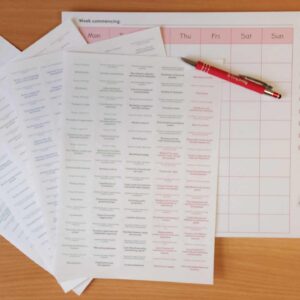
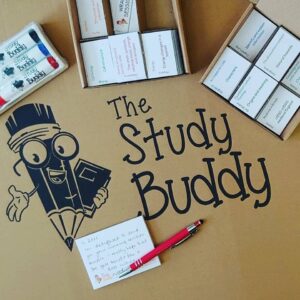
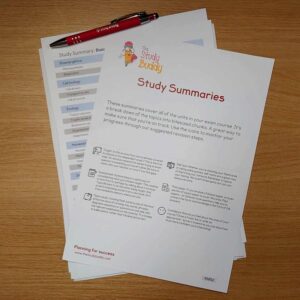
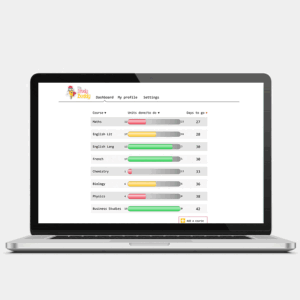
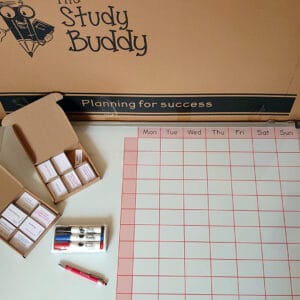
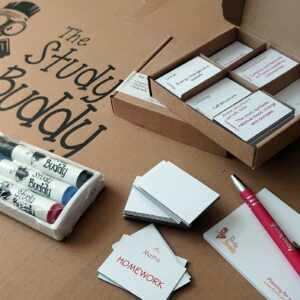
Our GCSE Special bundle is everything you need to get going quickly and easily.
If you’re using past papers to try and guess what’s coming up in June, you’re practicing “Black Arts,” not revision. Trying to spot patterns in

Happy Pi Day! Beyond the geometry and the actual pie, March 14th is a masterclass in human memory. We’re exploring the science of encoding—the clever
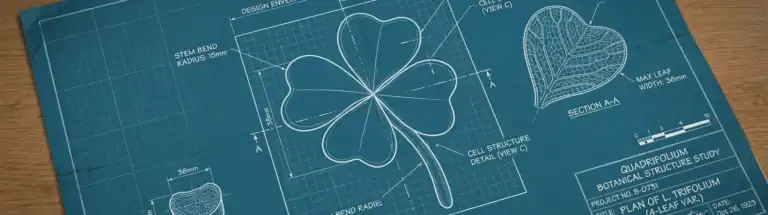
In this follow-up, we’ll dive into the practical side of “making” luck. If Part 1 is about the mindset, Part 2 is about the method.
An offer code will be sent to you. By subscribing to our newsletter you agree to our Terms and Conditions and Privacy Policy. You can unsubscribe at any time.
Thank you for signing up! Check your inbox soon for special offers from us.
In the meantime, you can use the code Welcome5