

5 Things Your Teen Should Be Doing on the Cusp of Exam Day
With the bank holiday behind us and exams looming, it’s easy to panic. But the final week isn’t about learning everything new—it’s about “high-yield” revision

The chances are that your teen’s revision is littered with the classic “spider diagram”. A central bubble with dozens of legs stretching out to single words. It’s a staple of the British classroom, but science suggests there is a much more powerful version that most students (and parents) are missing out on: The Concept Map.
The traditional mind map or spider diagram is great for brainstorming, but it has a fatal flaw for revision: it doesn’t explain how things are related. If a student draws a line from “Photosynthesis” to “Chlorophyll,” the brain knows they are linked, but it doesn’t necessarily remember why.
This is where Relational Learning comes in. To excel in higher-tier GCSE and A-Level questions, students need to do more than list facts; they need to explain connections.
A concept map looks like a mind map, but with one critical addition: Linking Words. Every line connecting two ideas must have a verb or a phrase written on it.
Spider Diagram: [Photosynthesis] —— [Chlorophyll]
Concept Map: [Photosynthesis] —requires—> [Chlorophyll]
By adding that one word—requires—the student has moved from simple identification to active explanation.
The Brain Dump: Write down 10–15 key terms from a topic on separate Post-it notes.
The Hierarchy: Place the most general “Big Idea” at the top.
The Connection: Draw lines between them, but the rule is you must write a connecting phrase (e.g., “results in,” “was caused by,” “contradicts”) on every line.
The Cross-Link: Look for “secret” connections between different branches. This is where the top marks live!
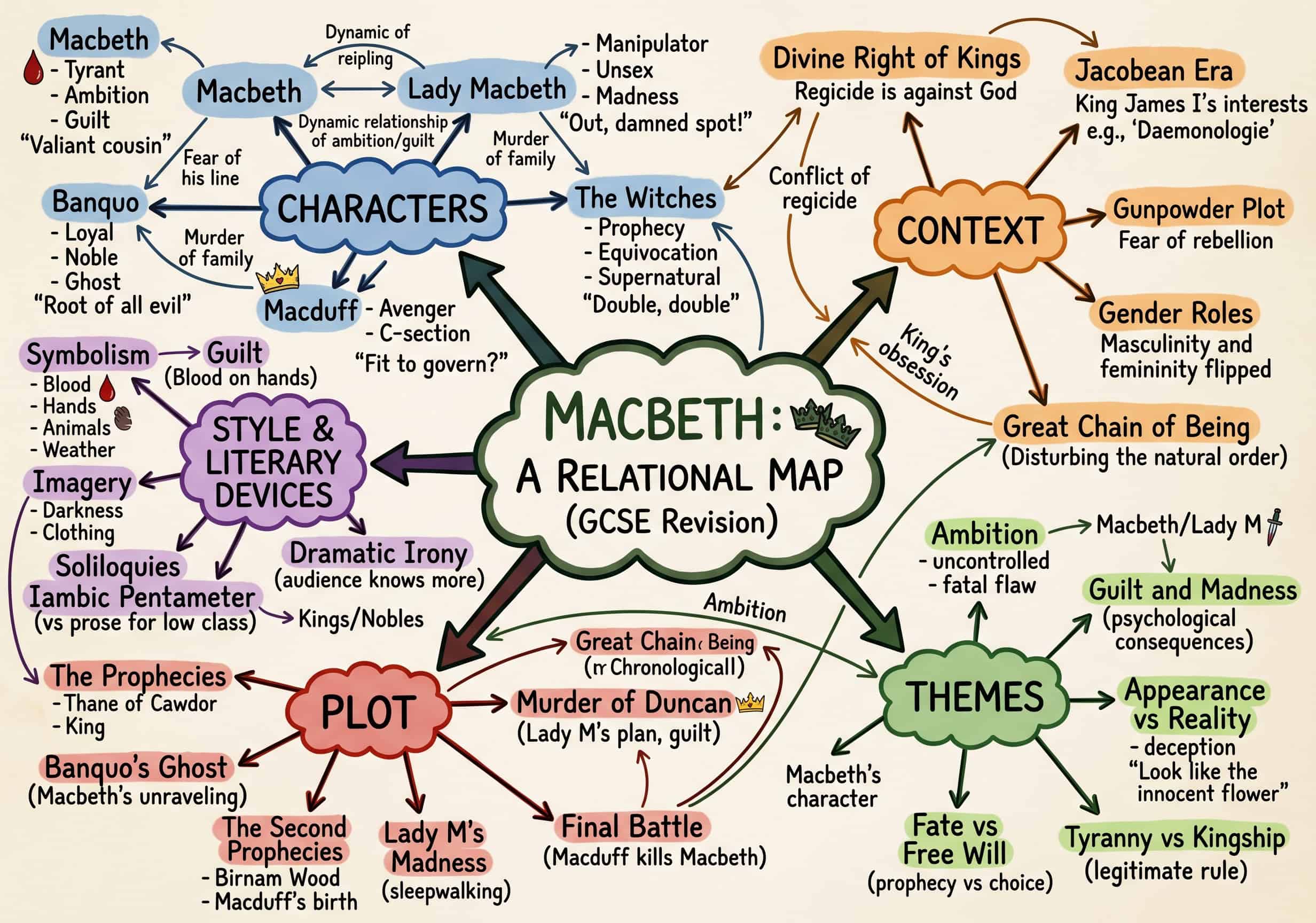
Concept mapping relies on a process called Meaningful Learning. According to educational psychology, we learn best when we “anchor” new information to concepts we already understand.
When a student struggles to find a linking word between two topics, they have just identified a knowledge gap. This is a “lightbulb moment” for revision. Instead of re-reading the whole textbook, they only need to find the specific connection they couldn’t name.
The “So What?” Test When your teen shows you a revision poster, pick two bubbles and ask: “How does this one lead to that one?” If they can’t answer, they’ve found their next study focus.
Ultimately, revision isn’t about how much information a student can cram into their head; it’s about how easily they can pull it back out when the clock is ticking. Concept mapping acts like a GPS for the brain—it builds a clear, navigable route through a subject so they don’t get lost in the “exam-hall fog”.
By helping your teen transition from just knowing things to understanding how they fit together, you’re giving them a massive head start. It might feel a bit more challenging than just highlighting a page, but that “desirable difficulty” is exactly where the magic happens.
They’ve got this, and with the right map in hand, route to the exams looks a lot less mountainous and a lot more like a path to success.
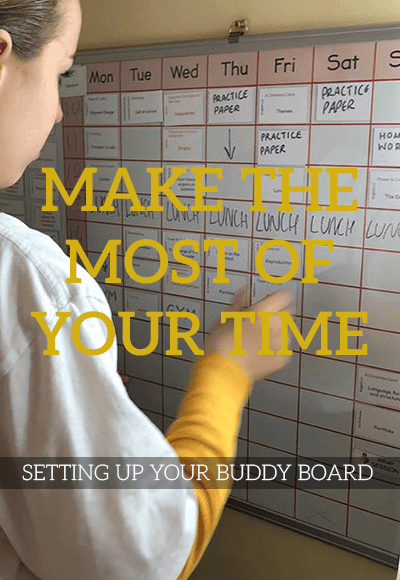
Make the most of the time for revision. Prioritise, monitor and plan straight out of the box.
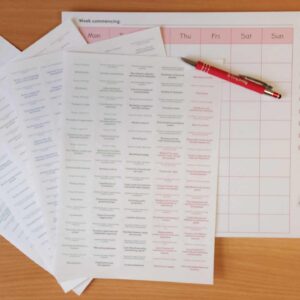
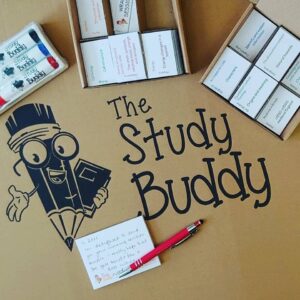
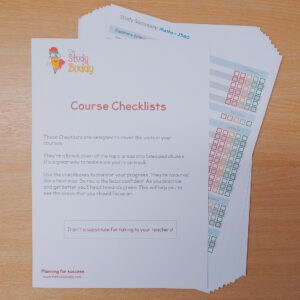
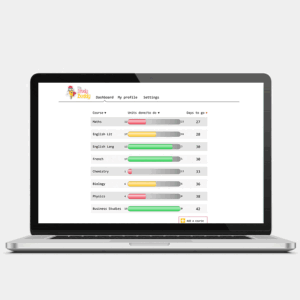
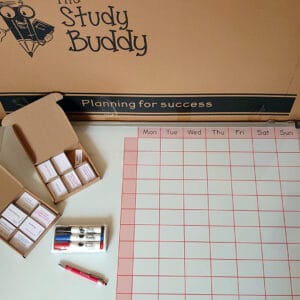
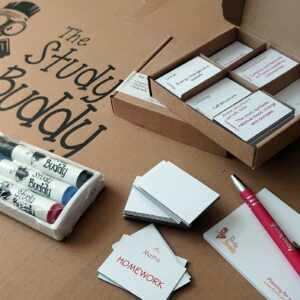
Our GCSE Special bundle is everything you need to get going quickly and easily.
With the bank holiday behind us and exams looming, it’s easy to panic. But the final week isn’t about learning everything new—it’s about “high-yield” revision

Think “blocking” your revision is the best way to learn? Think again. Discover why “Interleaving”—the art of mixing up your study topics—is the scientifically proven

Stop settling for simple spider diagrams. Discover how Concept Mapping and “Linking Words” help students move from memorising facts to understanding complex relationships—the key to
Thank you for signing up! Check your inbox soon for special offers from us.
In the meantime, you can use the code Welcome5
An offer code will be sent to you. By subscribing to our newsletter you agree to our Terms and Conditions and Privacy Policy. You can unsubscribe at any time.