

5 Things Your Teen Should Be Doing on the Cusp of Exam Day
With the bank holiday behind us and exams looming, it’s easy to panic. But the final week isn’t about learning everything new—it’s about “high-yield” revision
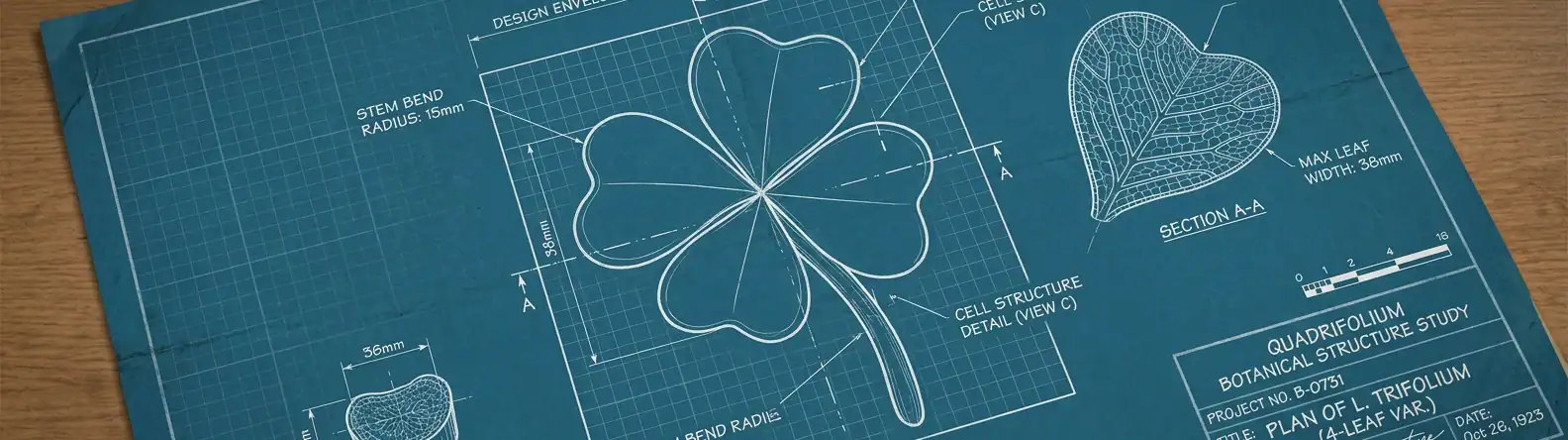
In our last post, we looked at how the “Good Luck” mindset can actually undermine a student’s confidence by making success feel like a game of chance. If we want to move away from a “lottery” mentality, we need a new blueprint.
How do some students seem to “get lucky” with every paper? The secret isn’t a four-leaf clover or a card from nan; it’s the Luck Surface Area.
Imagine “luck” is a physical space. If you do no work, your luck surface area is a tiny dot – you need the stars to align perfectly to succeed. But as you take action – revise and prepare – you expand that surface area.
Luck = Preparation x OpportunityYou can’t control the Opportunity (the specific questions the examiner chooses), but you have total control over the Preparation. When you use a structured plan, you aren’t just “studying”; you are systematically knocking out the “unlucky” gaps in your knowledge until there’s nowhere left for a bad question to hide.
Stop wishing for a kind paper. Start building the skills to handle an unkind one.
The “unluckiest” thing that can happen in an exam is turning over the page and seeing a topic you’ve never looked at.
The Luck-Maker Move: Use your Study Buddy Course Checklists to map the entire syllabus. When you can see the “whole map,” you eliminate the dark corners. Luck is simply the absence of a blind spot.
We often think luck strikes in a moment of brilliance. In reality, luck is built in regular, consistent blocks.
The Luck-Maker Move: It’s better to be 80% prepared for everything than 100% prepared for half the course. By spreading your effort consistently, you ensure that no matter which “version” of the exam paper lands on your desk, you have a baseline of excellence ready to go.
It’s hard to feel lucky when you’re overwhelmed. Anxiety thrives in the unknown.
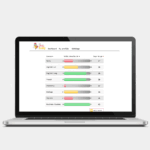
The Luck-Maker Move: Use your progress trackers. Seeing your completed sessions grow isn’t just a satisfying “tick.” It is visual proof that you are shrinking the role of chance. Each completed unit is one less thing you have to “hope” doesn’t come up.
The next time someone wishes you luck, take it as a compliment to your hard work.
Think of it this way: You’ve spent weeks building a massive net. The exam is just the moment you cast it. Whether the “right” fish swims into it or not doesn’t matter as much when your net covers the whole pond.
At The Study Buddy, we don’t really believe in crossing our fingers. We believe in building a framework where luck isn’t required.
Eliminating the “Nasty Surprise”: Luck is often just the absence of a blind spot. By mapping out the whole curriculum, you ensure that no matter what the examiners throw at you, you’ve seen it before.
Controlled Consistency: Working hard isn’t about 12-hour marathons; it’s about the “luck” of being prepared every single day.
Confidence over Chance: When a student enters an exam hall feeling “lucky,” they are anxious. When they enter feeling prepared, they are focused.
So, should we stop saying “Good Luck”? Probably not—it’s a kind gesture. But perhaps we should change what we mean by it.
Next time you wish a student luck, remember that the “luckiest” people in the exam hall are usually the ones who left the least to chance. They didn’t wait for the right questions to appear; they made sure they were ready for any question.
Fortune, as they say, favors the prepared mind.
Make the most of the time for revision. Prioritise, monitor and plan straight out of the box.
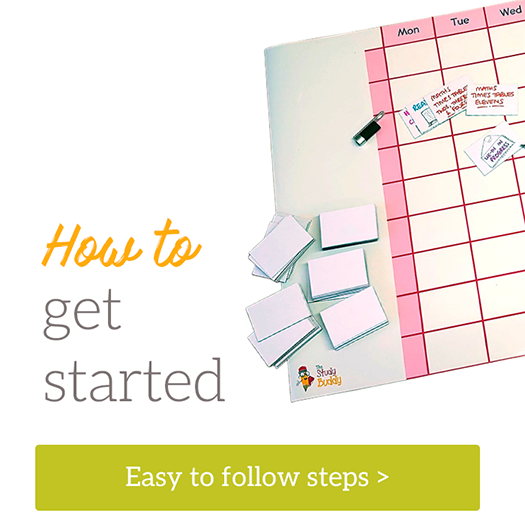
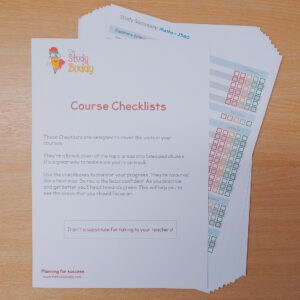
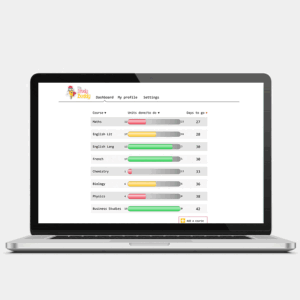
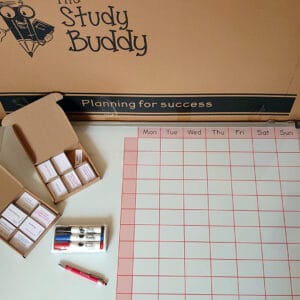
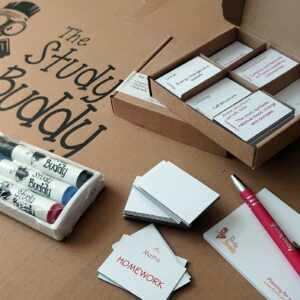
Our GCSE Special bundle is everything you need to get going quickly and easily.
With the bank holiday behind us and exams looming, it’s easy to panic. But the final week isn’t about learning everything new—it’s about “high-yield” revision

Think “blocking” your revision is the best way to learn? Think again. Discover why “Interleaving”—the art of mixing up your study topics—is the scientifically proven

Stop settling for simple spider diagrams. Discover how Concept Mapping and “Linking Words” help students move from memorising facts to understanding complex relationships—the key to
Thank you for signing up! Check your inbox soon for special offers from us.
In the meantime, you can use the code Welcome5
An offer code will be sent to you. By subscribing to our newsletter you agree to our Terms and Conditions and Privacy Policy. You can unsubscribe at any time.