
5 Things Your Teen Should Be Doing on the Cusp of Exam Day
With the bank holiday behind us and exams looming, it’s easy to panic. But the final week isn’t about learning everything new—it’s about “high-yield” revision


As we cross the threshold into the final ten weeks before exams, the atmosphere at home tends to shift. The stakes feel higher, the revision timetables are pinned to the fridge, and as parents, we find ourselves walking a tightrope.
We want to be the ultimate support system, but we often flip-flop between two extremes: over-the-top cheerleading or the stern-talking taskmaster about wasted potential. Both come from a place of love, but according to the psychology of reinforcement, one might be hollowing out their motivation, while the other might be shutting them down entirely.
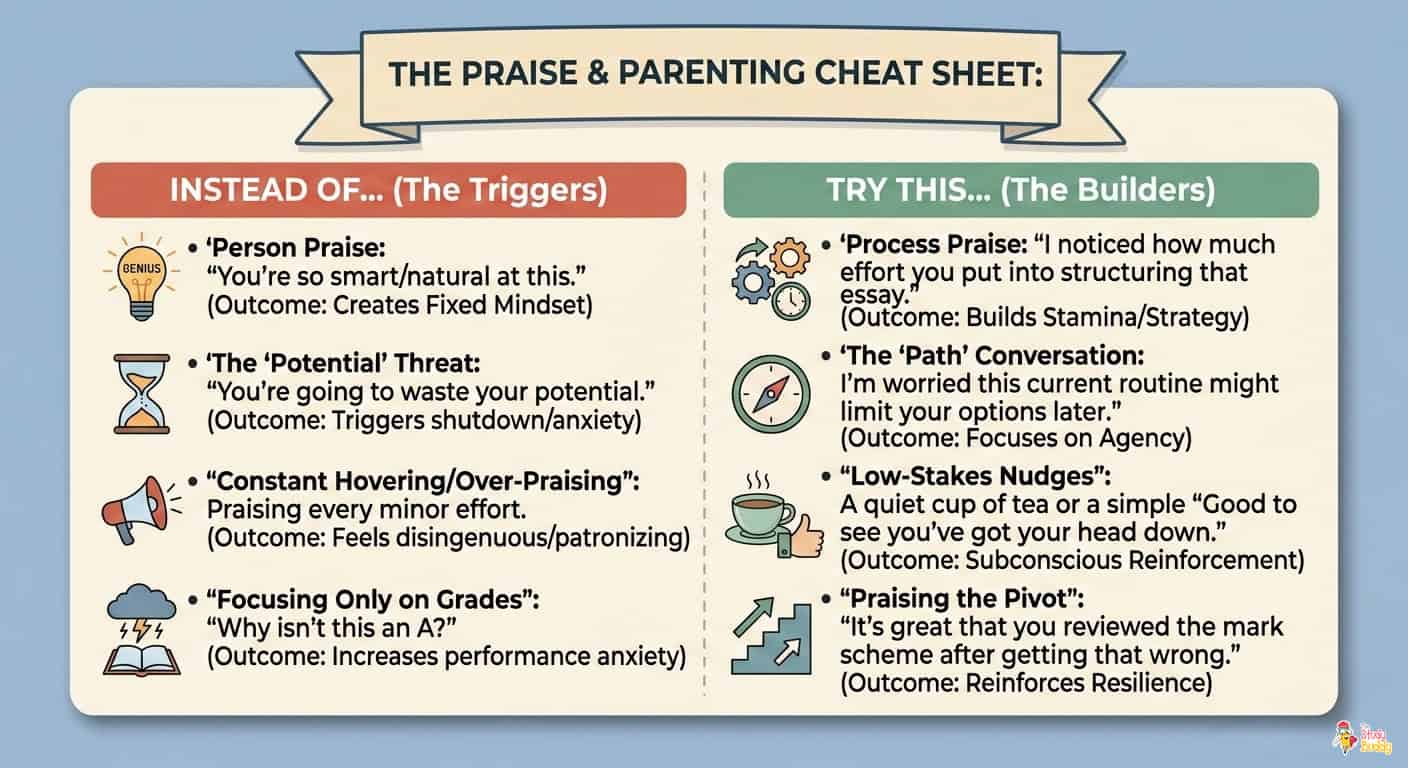
We’ve been conditioned to think that more praise equals more confidence. However, developmental psychology suggests a “Praise Paradox.” When we shower a teenager with generic labels like “You’re a genius” or “You’re so naturally gifted,” we inadvertently create a Fixed Mindset.
If a teen believes they are inherently “smart,” then a difficult mock exam grade feels like a threat to their identity. They start to avoid the hard subjects to protect that label.
To keep reinforcement effective, we need to move from Person Praise to Process Praise.
Instead of: “You’re so clever.”
Try: “I noticed you stuck with that physics problem even when it got frustrating. That’s great stamina.”
By praising the effort or the strategy, you’re giving them a blueprint they can actually repeat.
Teens are biologically wired to detect social inauthenticity. It’s a survival mechanism as they move toward independence. If you praise a half-hearted attempt at a practice paper, they don’t feel encouraged; they feel patronised.
They’ll either believe that’s false cheerleading or think: “If Mum thinks this is good, she must have really low expectations of me.”
On the flip side, when the stress hits a boiling point, it’s easy to reach for the “Potential” card. “You’re going to waste your potential if you don’t start working now.”
While intended as a wake-up call, this phrase often triggers Learned Helplessness. To a teenager, “Potential” feels like a heavy, invisible weight they are failing to carry. When the gap between where they are and their “potential” feels too wide, they don’t work harder—they go numb. They disengage to protect themselves from the pain of falling short.
How do we apply this without feeling like we’re reading from a script? Here are three pragmatic shifts for the study season:
The “Low-Stakes” Nudge: Use subconscious reinforcement. You don’t always need a speech. A cup of tea and a quiet “Good to see you’ve got your head down” as you walk past is often more powerful than a celebratory dinner for one good grade.
Highlight the Pivot: If they get a question wrong but then go back to check the mark scheme, that is the moment to praise. Reinforce the recovery, not just the result.
Swap “Potential” for “Path”: Instead of talking about what they might waste, talk about the options they are creating. It moves the conversation from shame to agency.
As we head into this final stretch, remember that your role isn’t just to be a supervisor; it’s to be a steady mirror. Reflect back the hard work you see, even if it’s small. Authenticity beats volume every time.
If we can move away from the “wasted potential” narrative and toward specific, process-driven encouragement, we aren’t just helping them pass exams—we’re helping them build the resilience they’ll need long after the results are in.
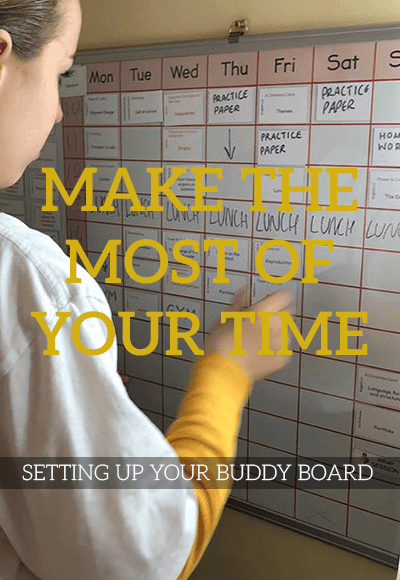
Make the most of the time for revision. Prioritise, monitor and plan straight out of the box.

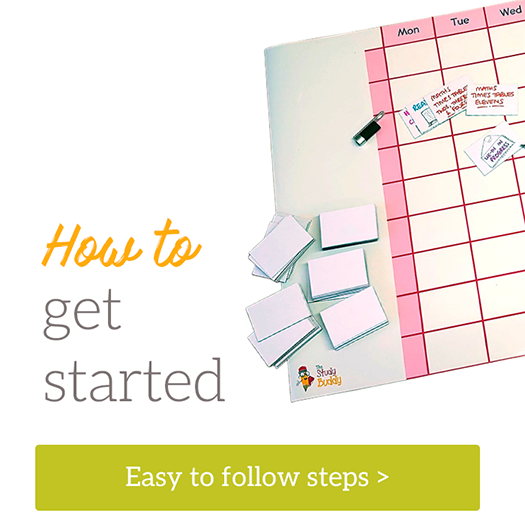
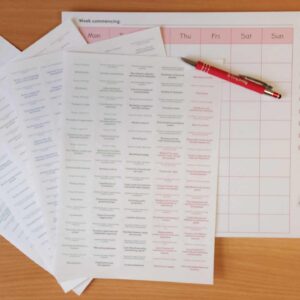
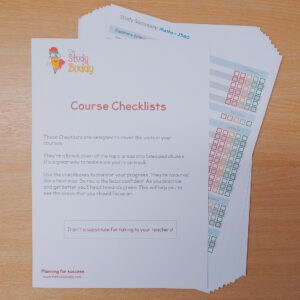
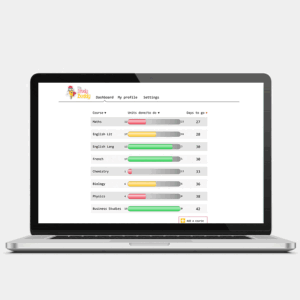
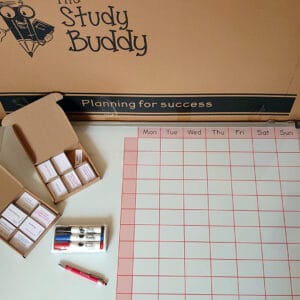

Our GCSE Special bundle is everything you need to get going quickly and easily.
With the bank holiday behind us and exams looming, it’s easy to panic. But the final week isn’t about learning everything new—it’s about “high-yield” revision

Think “blocking” your revision is the best way to learn? Think again. Discover why “Interleaving”—the art of mixing up your study topics—is the scientifically proven

Stop settling for simple spider diagrams. Discover how Concept Mapping and “Linking Words” help students move from memorising facts to understanding complex relationships—the key to
Thank you for signing up! Check your inbox soon for special offers from us.
In the meantime, you can use the code Welcome5
Your basket is saved. Checkout now and we’ll upgrade your dispatch at no extra cost.
Secure guest checkout · Your basket is saved.
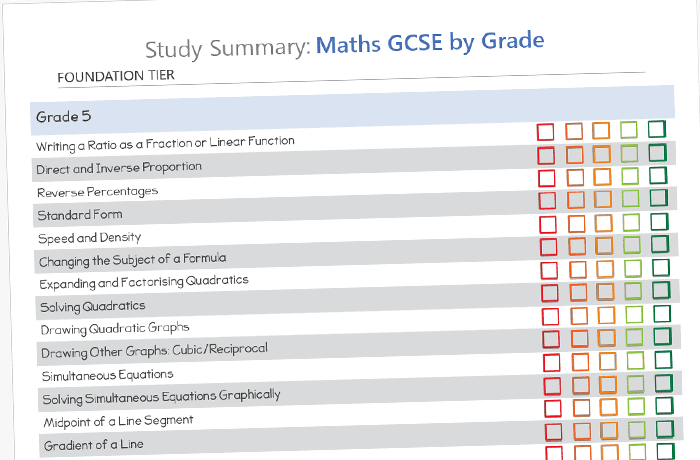
We’ll add your free Maths GCSE By Grade Checklists and keep your revision resources ready for you.
No account is created and you’re not signing up to the newsletter.
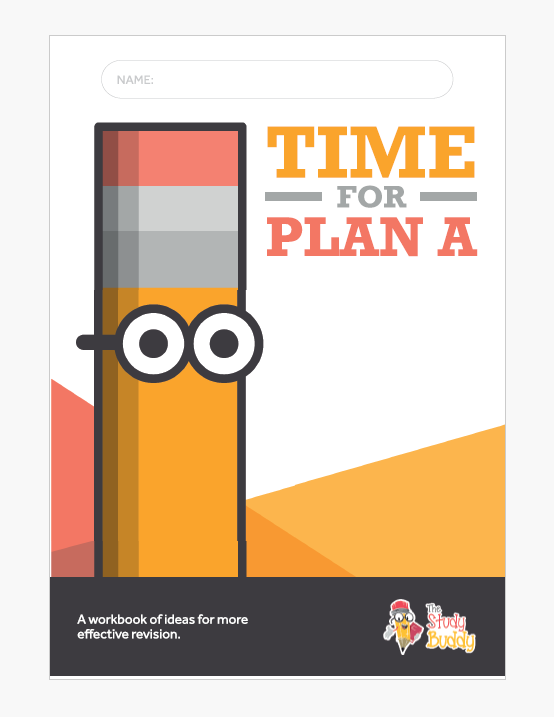
Add your email and we’ll send the workbook for free – and keep this basket safely saved for you.
No account is created and you’re not signing up to the newsletter.
An offer code will be sent to you. By subscribing to our newsletter you agree to our Terms and Conditions and Privacy Policy. You can unsubscribe at any time.