5 Things Your Teen Should Be Doing on the Cusp of Exam Day
With the bank holiday behind us and exams looming, it’s easy to panic. But the final week isn’t about learning everything new—it’s about “high-yield” revision
As parents, we want to make things easier for our kids. When we see them struggling with a mountain of revision, our instinct is to step in and fix it. We buy the highlighters, download the past papers, and – crucially – we try to hand them a ready-made, colour-coded schedule. Then wonder why they’re not following it.
But there’s a biological reason why that perfect plan usually ends up in the bin by Tuesday: The IKEA Effect.
In 2011, researchers found that people value things they build themselves significantly more than pre-assembled versions. In their study, participants were willing to pay 63% more for a storage box they had put together (even if it was a bit wonky) than for one built by an expert.
When we hand our teens a revision plan, we are giving them “Expert Furniture.” They didn’t sweat over it, so they don’t value it. To their brain, it’s just another set of instructions from a boss. But when they have to grapple with the “flat-pack” of their own schedule—deciding where the units go and how to fit it all in—they develop ownership.
The Problem: Handing a teen a pre-made plan triggers zero sense of ownership.
The Science: We value what we build. The effort of assembly creates psychological “buy-in.”
The Shift: A “wobbly” plan they made themselves is 10x more likely to be followed than a perfect plan you made for them.
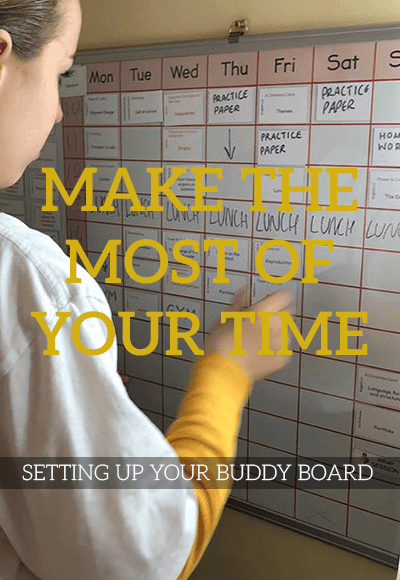
The Study Buddy approach is built entirely on this “assembly” principle. Our physical boards and movable units turn revision planning into a hands-on construction project. During the WRAP (Weekly Review And Plan) session, your teen isn’t just looking at a list; they are building their week. Because they are the ones physically moving the units and deciding the order, they become the “owner” of the plan. It moves you from being the person enforcing the rules to the person helping them finish their “build.”
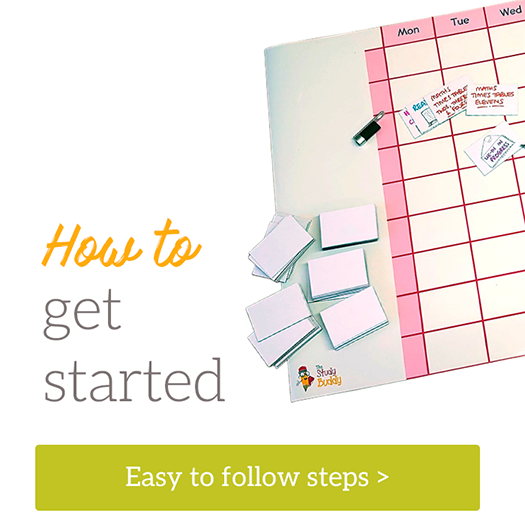
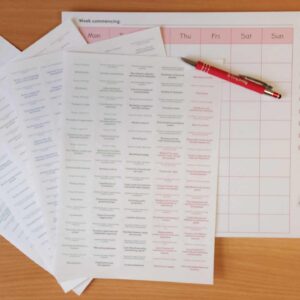
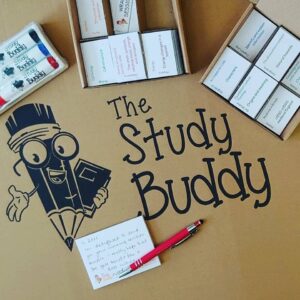
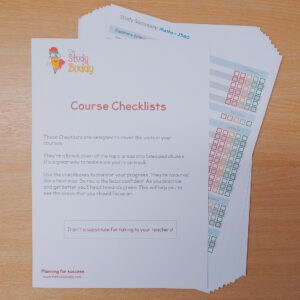
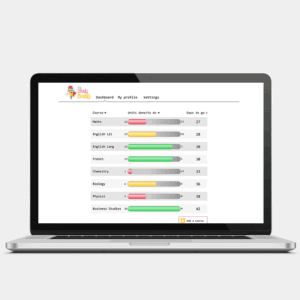
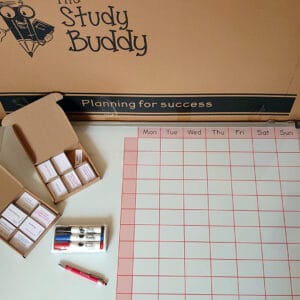
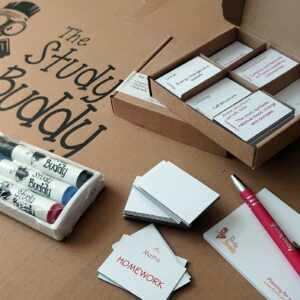
Our GCSE Special bundle is everything you need to get going quickly and easily.
With the bank holiday behind us and exams looming, it’s easy to panic. But the final week isn’t about learning everything new—it’s about “high-yield” revision

Think “blocking” your revision is the best way to learn? Think again. Discover why “Interleaving”—the art of mixing up your study topics—is the scientifically proven
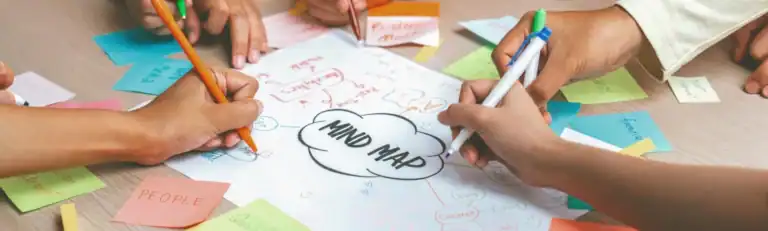
Stop settling for simple spider diagrams. Discover how Concept Mapping and “Linking Words” help students move from memorising facts to understanding complex relationships—the key to
Thank you for signing up! Check your inbox soon for special offers from us.
In the meantime, you can use the code Welcome5
Your basket is saved. Checkout now and we’ll upgrade your dispatch at no extra cost.
Secure guest checkout · Your basket is saved.
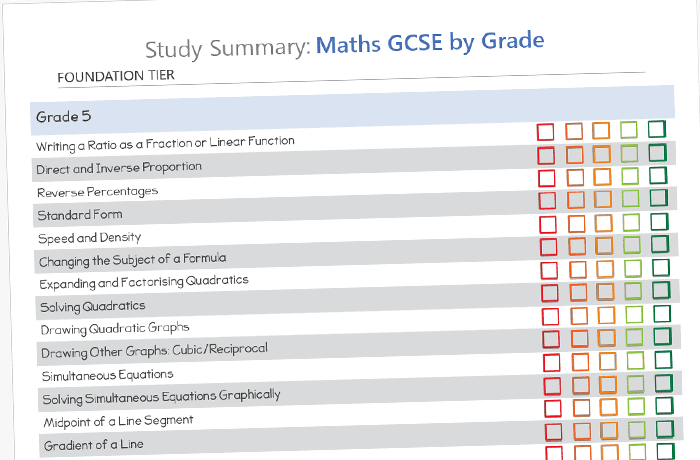
We’ll add your free Maths GCSE By Grade Checklists and keep your revision resources ready for you.
No account is created and you’re not signing up to the newsletter.
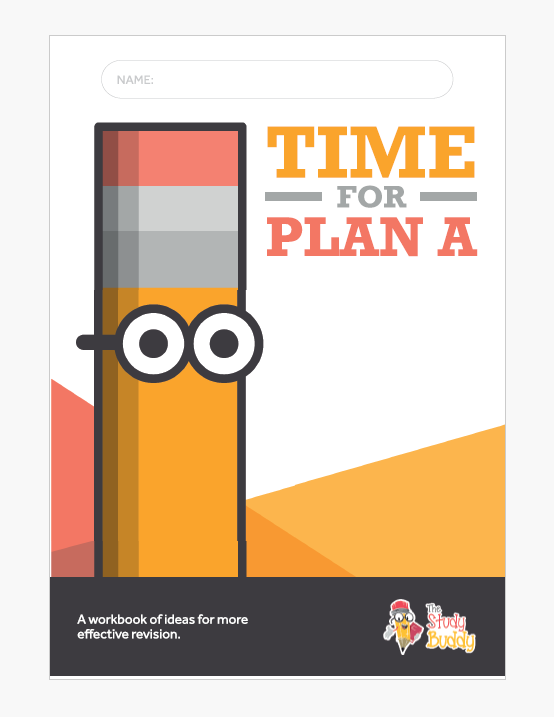
Add your email and we’ll send the workbook for free – and keep this basket safely saved for you.
No account is created and you’re not signing up to the newsletter.
An offer code will be sent to you. By subscribing to our newsletter you agree to our Terms and Conditions and Privacy Policy. You can unsubscribe at any time.