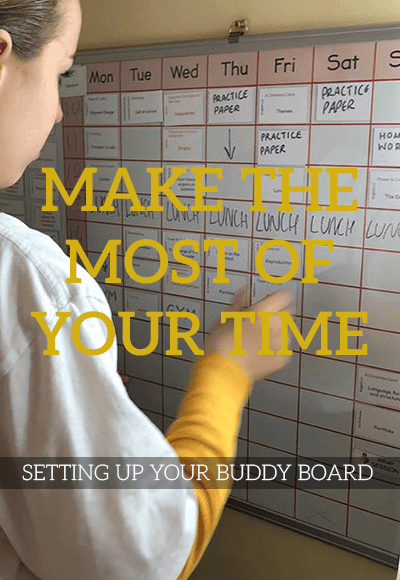
5 Things Your Teen Should Be Doing on the Cusp of Exam Day
With the bank holiday behind us and exams looming, it’s easy to panic. But the final week isn’t about learning everything new—it’s about “high-yield” revision

You’re up to your eyes in revision schedules and practice papers. So it’s little wonder we often forget a crucial element that underpins success in exams: nutrition and self-care.
Nutrition and self-care are the fuel that powers your brain and overall well-being during this demanding time. Ignoring it is like trying to run a car on empty – it simply won’t perform at its best.
Nourishing your teen with the right foods and encouraging small moments of self-care can make a significant difference in their ability to focus, retain information, and manage stress. Let’s explore some practical and manageable ways to weave good nutrition and well-being into your exam period routine.
The overarching theme is balance—balancing nutrition, hydration, sleep, and physical activity to optimise performance. A healthy lifestyle is not about quick fixes but about consistent, thoughtful choices that support both physical and mental well-being.
This holistic approach to health and nutrition applies not only to athletes but also to students preparing for exams, ensuring they perform at their best during stressful periods.
For more on looking after yourself while studying, check out these podcast episodes:
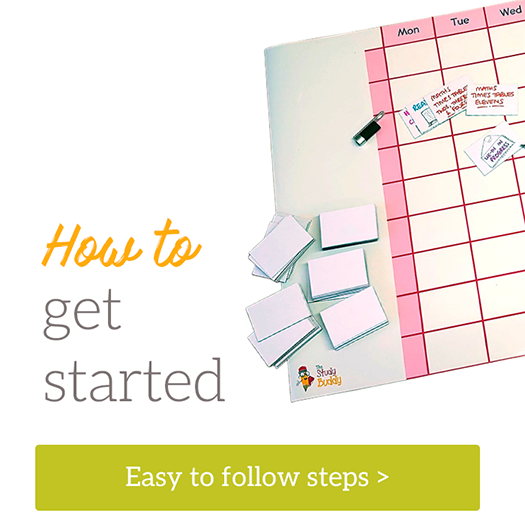
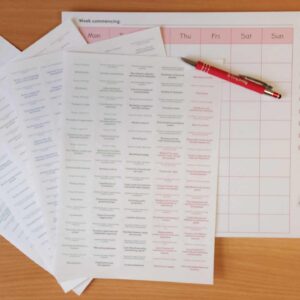
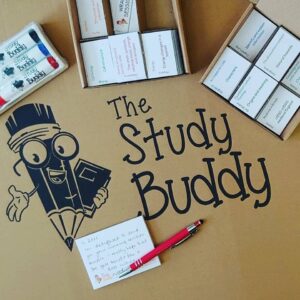
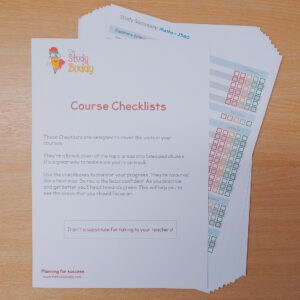
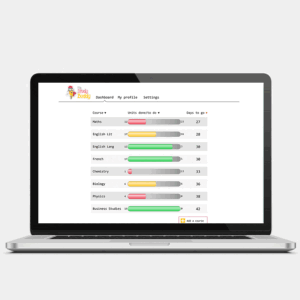
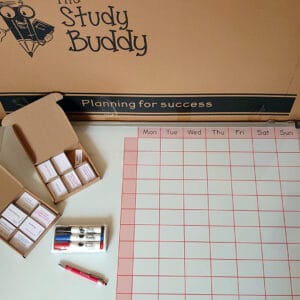
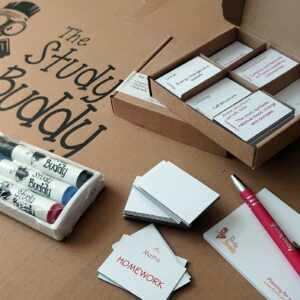
Our GCSE Special bundle is everything you need to get going quickly and easily.
With the bank holiday behind us and exams looming, it’s easy to panic. But the final week isn’t about learning everything new—it’s about “high-yield” revision
Think “blocking” your revision is the best way to learn? Think again. Discover why “Interleaving”—the art of mixing up your study topics—is the scientifically proven

Stop settling for simple spider diagrams. Discover how Concept Mapping and “Linking Words” help students move from memorising facts to understanding complex relationships—the key to
Thank you for signing up! Check your inbox soon for special offers from us.
In the meantime, you can use the code Welcome5
Your basket is saved. Checkout now and we’ll upgrade your dispatch at no extra cost.
Secure guest checkout · Your basket is saved.
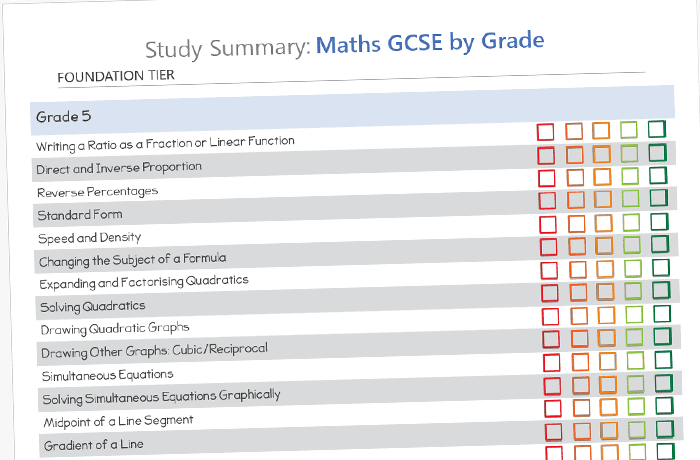
We’ll add your free Maths GCSE By Grade Checklists and keep your revision resources ready for you.
No account is created and you’re not signing up to the newsletter.
Add your email and we’ll send the workbook for free – and keep this basket safely saved for you.
No account is created and you’re not signing up to the newsletter.
An offer code will be sent to you. By subscribing to our newsletter you agree to our Terms and Conditions and Privacy Policy. You can unsubscribe at any time.