

5 Things Your Teen Should Be Doing on the Cusp of Exam Day
With the bank holiday behind us and exams looming, it’s easy to panic. But the final week isn’t about learning everything new—it’s about “high-yield” revision

When exams are on the horizon, the sheer volume of material to cover can be paralysing. Whether it is a half-term break, a long weekend, or the final weeks of study leave, students often find themselves staring at a mountain of textbooks without a clear idea of what to do.
This often results in defaulting to topics that they already know well. A kind of comfort-revision, if you like.
This common trap equates “hours spent at a desk” with “effective learning”. The truly challenging topics are pushed to the bottom of the pile. But tackling these is where real progress is made.
The secret to reducing exam-season anxiety isn’t necessarily working harder; it’s about prioritising ruthlessly.
To turn a chaotic “to-do” list into a strategic action plan, we have adapted a world-class productivity tool specifically for revision. By categorising topics based on their complexity and their weight in the exams, students can move away from passive reading and toward the “heavy lifting” that actually moves the needle on their grades.
We’ve adapted a classic time-management tool, the Eisenhower Matrix, specifically for Easter revision. We call it The Revision Matrix.
By categorising revision topics based on their urgency and difficulty, this matrix helps students move away from passive studying and toward high-impact preparation.
Here is how you can use The Revision Matrix with your teenager over the holidays.
To get the most out of this tool, follow these steps to help your teenager move from a messy pile of notes to a structured plan:
The Brain Dump: Start by asking your teen to list every topic or module they need to cover across all their subjects. Don’t worry about the order yet—just get it all on paper. (Or use our Complete Course Checklists, we’ve done this for you!)
The “Impact” Audit: Look at the list together. Identify which topics and activities that are going to give the biggest return. These are your Urgent items.
The Honesty Check: Ask them to be brutally honest about which topics make them feel “stuck.” If they dread opening a specific chapter, that is a Difficult topic.
Populate the Quadrants: Using the graphic as a guide, place each topic into one of the four boxes.
The Morning Slot: Assign “Heavy Lifters” (Urgent & Difficult) to the start of the day when their brain is freshest.
The Afternoon Bridge: Use “Quick Wins” (Urgent & Easy) to get back into the flow after lunch.
Review and Rotate: Revisit the matrix every few days. As a topic becomes easier through practice, it moves from a “Heavy Lifter” to a “Quick Win,” and eventually into a “Confidence Booster.”
Ultimately, the goal of the Revision Matrix isn’t just to tick boxes—it’s to provide peace of mind. When a student knows exactly what they need to do and, more importantly, why they are doing it, the sense of being overwhelmed begins to lift. By focusing on what truly matters, they can enjoy their downtime without the nagging guilt of “not doing enough.” Effective revision is about quality, strategy, and consistency; with the right plan in place, your teenager can head into exam season feeling prepared, focused, and in control.
Make the most of the time for revision. Prioritise, monitor and plan straight out of the box.
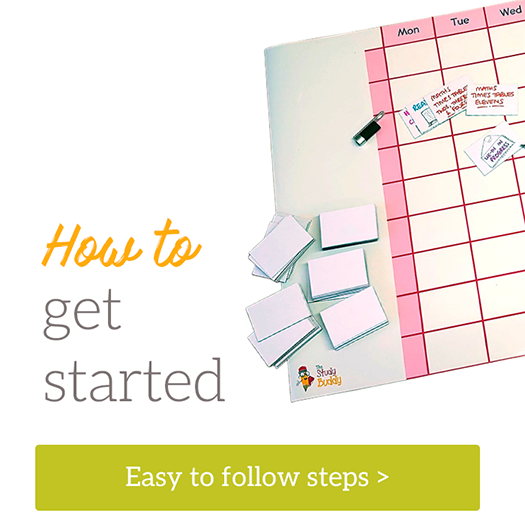
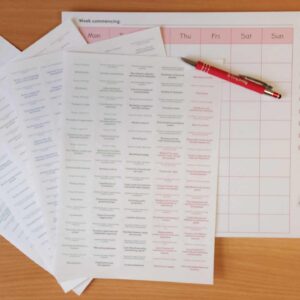

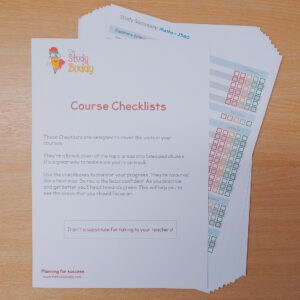
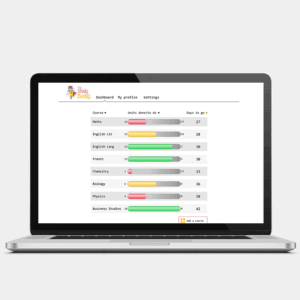
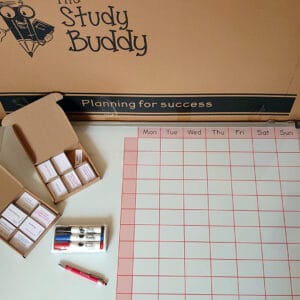

Our GCSE Special bundle is everything you need to get going quickly and easily.
With the bank holiday behind us and exams looming, it’s easy to panic. But the final week isn’t about learning everything new—it’s about “high-yield” revision

Think “blocking” your revision is the best way to learn? Think again. Discover why “Interleaving”—the art of mixing up your study topics—is the scientifically proven

Stop settling for simple spider diagrams. Discover how Concept Mapping and “Linking Words” help students move from memorising facts to understanding complex relationships—the key to
Thank you for signing up! Check your inbox soon for special offers from us.
In the meantime, you can use the code Welcome5
An offer code will be sent to you. By subscribing to our newsletter you agree to our Terms and Conditions and Privacy Policy. You can unsubscribe at any time.