




5 Things Your Teen Should Be Doing on the Cusp of Exam Day
With the bank holiday behind us and exams looming, it’s easy to panic. But the final week isn’t about learning everything new—it’s about “high-yield” revision

Your teen is tucked away in their room, the door is shut, and the books are out. Hurrah! Is this it – is revision happening?
From the outside, it looks like a marathon study session. But three hours later, when we check in, they haven’t actually moved past page one. And that’s when the excuses come.
It’s a common source of friction in every household—parents feel the clock ticking toward exams, know they should be working hard, but they’re struggling to get anywhere.
It is quite clear that time spent at a desk does not always equal time spent learning.
There are six specific “Time Thieves” that sneak into our teens’ study spaces, quietly stealing their focus and inflating their stress levels. By identifying these culprits, we can stop nagging and start helping them reclaim their day.
How it presents: A “quick” check of a WhatsApp message that turns into scrolling TikTok, or having the phone face-up on the desk “just in case.”
Why they do it: It’s all about dopamine seeking. Revision is hard work with a delayed reward; social media is easy work with an instant reward. It’s often a subconscious escape from a difficult task.
Practical fix: Physical Distance. The phone needs to be in another room. Simple as. If they say they need it for a timer, buy a cheap kitchen timer instead.
How it presents: Obsessing over the perfect playlist, spending an hour colour-coding a folder, or “cleaning the desk” to get into the right headspace.
Why they do it: This is the art of productive procrastination. It feels like work, so the guilt is lower, but it’s actually an avoidance tactic to delay the “pain” of real cognitive effort.
Practical fix: The 5-Minute Setup Rule. Take some time before revision ever begins to get the preparation work done. This is ideal Sunday stuff, before a week of study. In the moment, set a hard limit on prep time. If passwords aren’t sorted or pens aren’t found in 5 minutes, they start with what they have.
How it presents: Studying with the TV on or a secondary screen playing “low-stakes” content.
Why they do it: Revision can feel lonely or quiet. The background noise provides “company” and makes the task feel less daunting or sterile.
Practical fix: The 40% Fact. Show them the stat from your carousel: background screens make tasks take 40% longer. Use “Lo-fi” beats or white noise if they need sound, but strictly no singing or moving images. Try switching things up, too. If revision feels isolating, you can test them on flash cards in the kitchen. Revision doesn’t have to be painful.
How it presents: Flipping through textbooks aimlessly, starting one topic, getting bored, and switching to another without finishing anything.
Why they do it: Mostly, this is a lack of structure. Without a roadmap, the brain defaults to the path of least resistance (usually the easiest or most “vague” task).
Practical fix: Plan to Plan. Spend 10 minutes at the end of Sunday (or the night before) deciding exactly what the next week’s “Missions” are. Be very specific – not just “History”. Then, when they sit down, they start immediately.
How it presents: Putting off the hardest subject until the end of the day when they are most tired, leading to it never getting done.
Why they do it: Overwhelm or “Bravado.” Sometimes they want to prove they can do it in a crunch; other times, the “Frog” (the hard task) is just too scary to swallow yet. There can also be an element of self-protection: if they’re nervous about how well they do, it can feel safer to avoid it all together.
Practical fix: “Eat the Frog”. Do the hardest, most avoided task first thing in the morning or at the start of the study block. Once that’s done, the “cognitive load” lightens immensely for the rest of the day. Nothing is as bad as that was, is also encouraging!
How it presents: Sudden frustration when they realise they can’t study because they have to go to nan’s, leading to a total abandonment of the week’s goals.
Why they do it: Thinking of study in a vacuum. They haven’t looked at the “Life” side of the calendar, so they build an unrealistic plan that is doomed to fail.
Practical fix: Build Around the “Big Rocks.” As The Study Buddy method encourages, plot the social life and family commitments first. Then, fit the study into the available gaps. It makes the plan feel “honest” and achievable.
The common thread among all six Time Thieves is a lack of structure. Whether it’s the lure of a notification or the paralysis of not knowing where to start, these distractions thrive in the gaps of an unplanned day.
At The Study Buddy, we believe that “working harder” isn’t the answer—working honestly is.
When a student builds their revision around their life, eats the “frog” early, and leaves their phone in another room, the mountain of work suddenly becomes a series of manageable steps. By helping our teens recognise their own personal “thieves,” we aren’t just helping them pass an exam; we’re giving them the organisational skills they’ll use for the rest of their lives.
Make the most of the time for revision. Prioritise, monitor and plan straight out of the box.

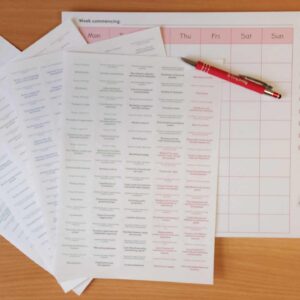

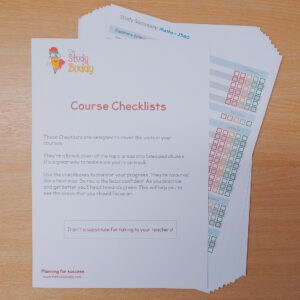
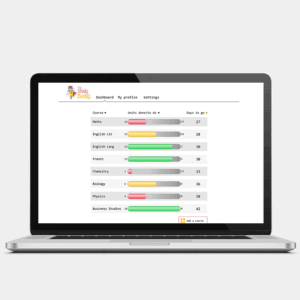
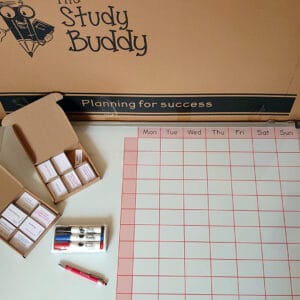

Our GCSE Special bundle is everything you need to get going quickly and easily.
With the bank holiday behind us and exams looming, it’s easy to panic. But the final week isn’t about learning everything new—it’s about “high-yield” revision

Think “blocking” your revision is the best way to learn? Think again. Discover why “Interleaving”—the art of mixing up your study topics—is the scientifically proven

Stop settling for simple spider diagrams. Discover how Concept Mapping and “Linking Words” help students move from memorising facts to understanding complex relationships—the key to
Thank you for signing up! Check your inbox soon for special offers from us.
In the meantime, you can use the code Welcome5
An offer code will be sent to you. By subscribing to our newsletter you agree to our Terms and Conditions and Privacy Policy. You can unsubscribe at any time.